AI-Powered SEO Tools in 2026
A Comprehensive Review for Marketers and Business Owners

Artificial intelligence has transformed nearly every aspect of digital marketing, and SEO is no exception. In 2026, AI-powered SEO tools are not just nice-to-have additions to your marketing stack. They are essential for staying competitive in an increasingly complex search landscape where traditional search engines, AI overviews, and answer engines all compete for user attention.
MonicaFaye has tested and evaluated dozens of AI SEO tools over the past two decades of digital marketing work. In this comprehensive review, we break down the top AI-powered SEO tools available today, what they do best, and how to choose the right ones for your business goals.
Why AI-Powered SEO Tools Matter More Than Ever
The search ecosystem has fundamentally changed. Google now displays AI Overviews for a growing number of queries. ChatGPT, Perplexity, and Bing Copilot are handling millions of searches that previously went to traditional search engines. This shift means SEO professionals need tools that can analyze not just traditional SERP performance, but also how brands appear across AI-powered platforms.
AI SEO tools help automate time-consuming tasks like keyword research and content optimization, provide predictive insights about ranking potential, analyze competitor strategies at scale, generate content briefs and optimization recommendations, and track AI search visibility across multiple platforms. The right toolset can save hours of manual work each week while delivering more accurate, data-driven recommendations.
Top AI SEO Tools for Keyword Research and Content Strategy
Keyword research has evolved far beyond simple search volume lookups. Modern AI-powered keyword tools analyze search intent, topic clusters, semantic relationships, and competitive difficulty to surface the opportunities most likely to drive meaningful traffic and conversions.
Tools in this category use machine learning to identify long-tail keyword opportunities that human analysis might miss, predict emerging search trends before they peak, map keyword clusters to content pillars for comprehensive topical coverage, and analyze the type of content that ranks for specific queries to inform your content format decisions.
When evaluating keyword research tools, look for those that integrate AI search data alongside traditional search metrics. Understanding how AI platforms reference and cite content for specific topics gives you a significant advantage in optimizing for both traditional and AI-driven discovery.
AI Tools for Technical SEO and Site Auditing
Technical SEO remains the foundation upon which all other optimization efforts are built. AI-enhanced site audit tools go beyond basic crawling to provide intelligent prioritization of issues based on their likely impact on rankings and traffic.
The best technical SEO tools in 2026 use AI to automatically categorize and prioritize technical issues by severity, predict the traffic impact of fixing specific technical problems, monitor Core Web Vitals and suggest targeted fixes, detect patterns in crawl data that indicate deeper structural issues, and generate implementation-ready technical recommendations.
For small business owners who may not have a dedicated technical team, these AI-driven insights translate complex technical problems into clear, actionable steps. This democratizes technical SEO in a way that was not possible even a few years ago.
Content Optimization and AI Writing Assistants
AI content tools have matured significantly. The best options in 2026 do not just generate text. They help you create content that is optimized for search intent, structured for AI citation, and crafted to convert readers into customers.
Effective AI content optimization tools analyze top-ranking content to identify gaps in your own coverage, suggest heading structures and content outlines based on SERP analysis, evaluate readability and accessibility compliance, recommend internal linking opportunities to strengthen topical authority, and ensure content meets E-E-A-T (Experience, Expertise, Authoritativeness, Trustworthiness) signals that both search engines and AI platforms prioritize.
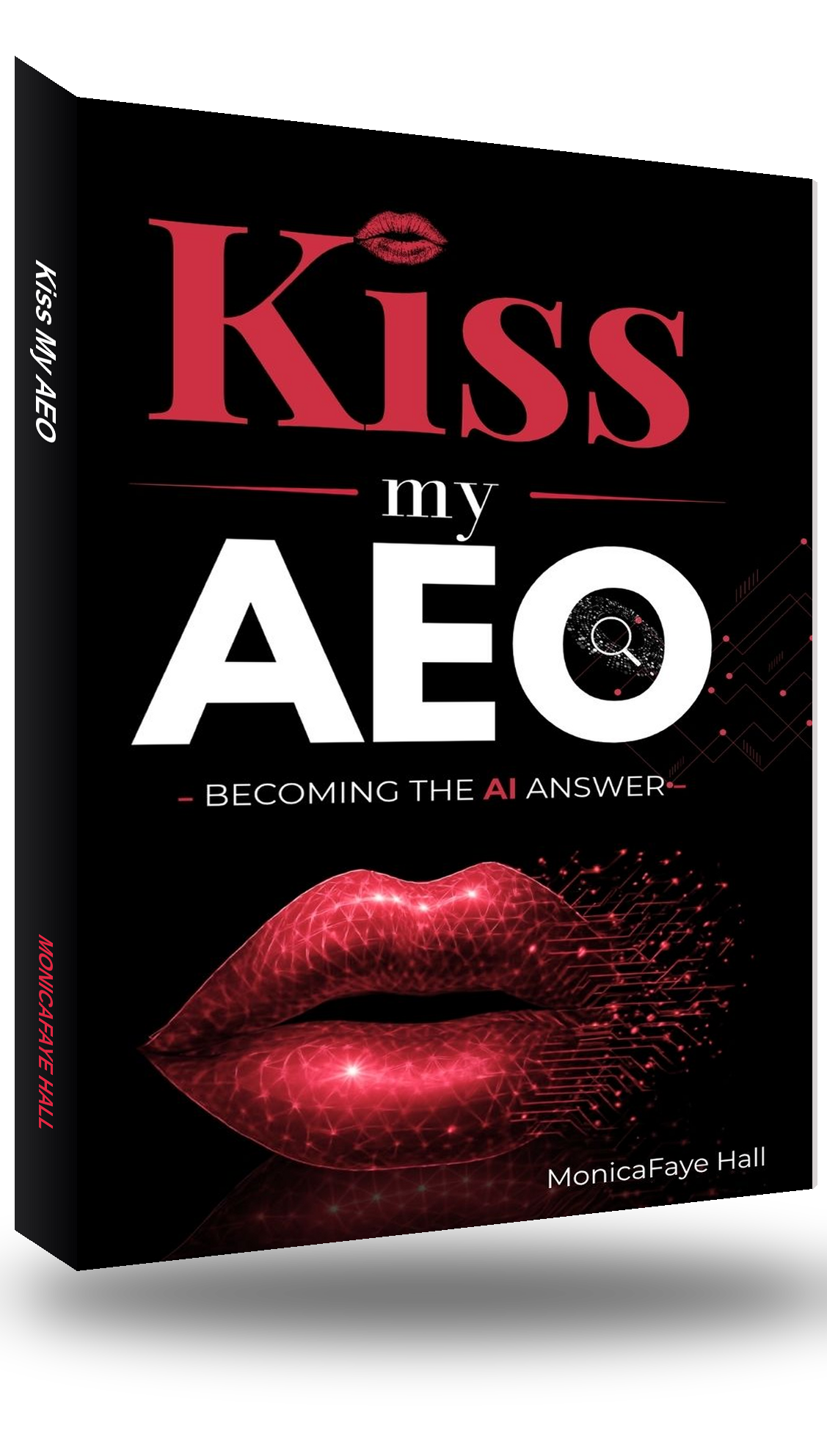
A critical distinction to understand is that AI should assist your content creation, not replace your unique expertise and voice. The most successful content strategies use AI tools for research and optimization while maintaining authentic human perspective and industry knowledge. MonicaFaye covers this balance extensively in Kiss My SEO.
AI Search Visibility and Brand Monitoring Platforms
This is one of the newest and most important categories of SEO tools. As AI search platforms grow in influence, brands need visibility into how they appear in AI-generated responses across ChatGPT, Google AI Overviews, Perplexity, Bing Copilot, Claude, and other platforms.
AI search visibility tools track how often your brand is mentioned or cited in AI search responses, analyze the sentiment and context of those mentions, identify which topics and queries trigger AI citations for your brand, compare your AI visibility against competitors, and provide strategic recommendations for improving your presence in AI search results.
This category of tools is rapidly evolving and represents the frontier of SEO measurement. Businesses that invest in understanding their AI search visibility now will be better positioned as these platforms capture an increasing share of search activity.
Backlink Analysis and Link Building with AI
AI has transformed backlink analysis from a purely retrospective exercise into a predictive and strategic one. Modern AI-powered backlink tools can predict which link-building opportunities are most likely to move the needle on rankings, identify toxic links before they trigger penalties, analyze competitor link-building patterns to reveal opportunities, automate outreach personalization for more effective link acquisition, and evaluate link quality using signals beyond traditional domain authority metrics.
The key advantage of AI in link building is pattern recognition. These tools can process millions of data points across the web to identify linking patterns and opportunities that would take human analysts weeks to uncover. For businesses with limited marketing budgets, this efficiency is transformative.
How to Choose the Right AI SEO Tools for Your Business
With so many options available, selecting the right AI SEO tools comes down to understanding your specific needs and goals. Consider your business size and budget, as many tools offer tiered pricing that scales from small business to enterprise. Evaluate which areas of SEO need the most improvement in your current strategy, whether that is technical health, content optimization, or AI visibility. Look for tools that integrate with your existing marketing stack to avoid data silos. Prioritize tools that provide actionable recommendations rather than just raw data. And test free trials before committing to annual subscriptions.
The best approach is to build a focused toolkit of three to five core tools that cover your primary SEO needs rather than subscribing to every platform available. Quality of implementation matters more than quantity of tools.
Frequently Asked Questions
Are AI SEO tools worth the investment for small businesses?
Absolutely. AI SEO tools level the playing field by giving small businesses access to the same data-driven insights that enterprise companies use. Many offer affordable pricing tiers, and the time savings alone often justify the cost. Start with one or two tools that address your biggest SEO gaps and expand from there.
Can AI tools replace an SEO consultant?
AI tools are powerful assistants, but they cannot fully replace the strategic thinking and industry experience that an experienced SEO consultant brings. Tools provide data and recommendations, but interpreting that data in the context of your specific business goals, competitive landscape, and industry dynamics requires human expertise.
How do I measure the ROI of AI SEO tools?
Track key metrics before and after implementing AI SEO tools, including organic traffic growth, keyword ranking improvements, time saved on manual tasks, conversion rate changes, and improvements in AI search visibility scores. Most tools provide reporting features that make this measurement straightforward.
What is AI search visibility and why should I track it?
AI search visibility measures how often and how favorably your brand appears in responses from AI-powered search platforms like ChatGPT and Google AI Overviews. As more users rely on these platforms for information, tracking and optimizing your AI visibility becomes essential for maintaining and growing your digital presence.
Take Your SEO Strategy to the Next Level
AI-powered SEO tools are transforming how businesses approach search optimization. Whether you are just starting your SEO journey or looking to enhance an existing strategy, the right tools combined with expert guidance can drive significant results.
Ready to build an AI-enhanced SEO strategy tailored to your business? Book a consultation with MonicaFaye and The Digital Hall to get expert recommendations on the tools and tactics that will drive the most impact for your specific goals. And for a complete framework on mastering SEO, pick up your copy of Kiss My SEO today on Amazon.